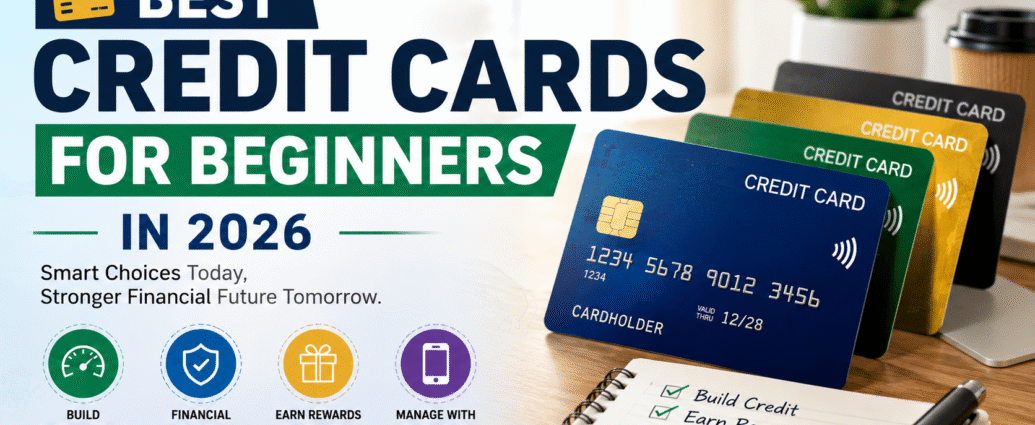
Getting your first credit card is an important financial milestone. A well-chosen credit card can help you build a strong credit history, earn rewards on everyday purchases, and develop responsible financial habits. However, with hundreds of options available, finding the best credit cards for beginners can feel overwhelming.
Many first-time applicants make the mistake of choosing a card based solely on attractive rewards or promotional offers. In reality, the right beginner credit card should be easy to qualify for, have reasonable fees, offer useful benefits, and help establish a positive credit profile.
This guide explains everything you need to know about beginner credit cards, including their benefits, key features, how to compare them, and common mistakes to avoid.
What Is a Beginner Credit Card?
A beginner credit card is designed for people with little or no credit history. These cards generally have simpler approval requirements than premium rewards cards and often include tools that encourage responsible credit use.
Some beginner cards are unsecured, while others are secured credit cards that require a refundable security deposit. Both can help establish credit when managed responsibly.
Whether you’re a student, young professional, or someone rebuilding your financial profile, a beginner credit card can be the first step toward long-term financial stability.
Why Your First Credit Card Matters
Your first credit card does more than provide purchasing power. It helps create your credit history, which lenders may consider when you apply for:
- Auto loans
- Home mortgages
- Personal loans
- Apartment rentals
- Utility services
- Certain employment screenings
Building a positive payment history early can improve your financial opportunities over time.
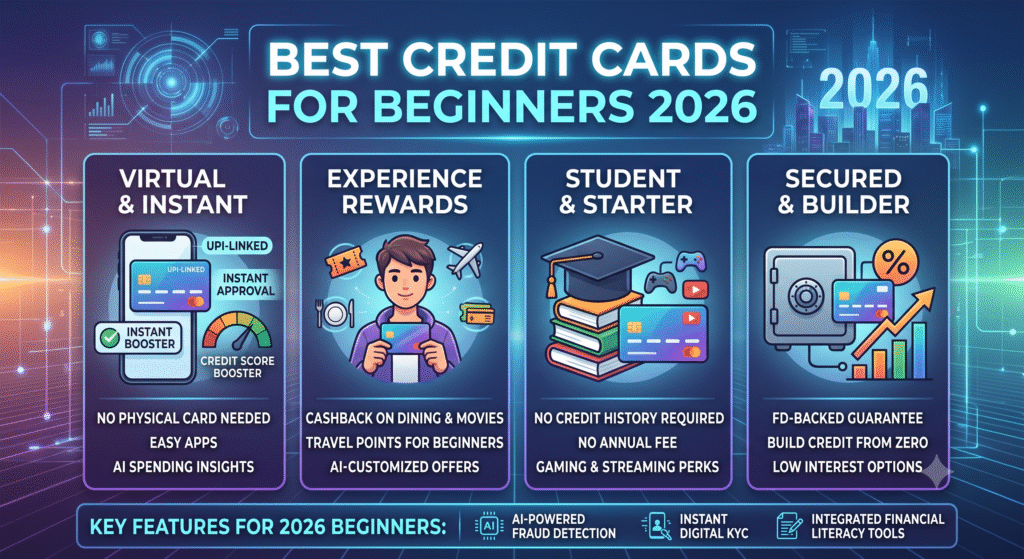
Benefits of the Best Credit Cards for Beginners
Choosing the right starter card offers several advantages beyond simple convenience.
Build Credit History
One of the biggest benefits is establishing a record of responsible borrowing. Consistently paying your balance on time demonstrates reliability to future lenders.
Learn Healthy Financial Habits
Using a credit card responsibly teaches budgeting, payment management, and spending discipline.
These habits often lead to stronger long-term financial health.
Earn Rewards
Many beginner-friendly cards now offer:
- Cash back
- Travel rewards
- Dining rewards
- Welcome bonuses
- Purchase protection
Even modest rewards can provide value when used responsibly.
Emergency Purchasing Power
Unexpected expenses can happen at any time. A credit card provides access to funds when immediate payment is necessary, though it should not replace a dedicated emergency savings fund.
Fraud Protection
Compared with cash or debit cards, credit cards generally provide stronger protection against unauthorized transactions.
Promptly reporting suspicious activity helps minimize potential losses.
Key Features to Compare Before Applying
Not every beginner card offers the same value. Comparing these features can help you make a more informed decision.
Annual Fee
Many of the best credit cards for beginners charge no annual fee.
For first-time cardholders, avoiding annual fees allows you to build credit without additional costs.
Interest Rate (APR)
If you carry a balance, interest charges can add up quickly.
Whenever possible, pay your statement balance in full each month to avoid interest.
Credit Limit
Starter cards often begin with modest credit limits.
Using only a small portion of your available credit demonstrates responsible credit management.
Rewards Program
Consider whether rewards match your spending habits.
Examples include:
- Grocery purchases
- Gas stations
- Dining
- Online shopping
- Everyday purchases
A simple cash-back program is often the easiest option for beginners.
Mobile Banking Features
Modern credit card apps typically include:
- Instant transaction alerts
- Spending categories
- Payment reminders
- Digital card access
- Account locking
- Credit score monitoring
These tools make managing your account much easier.
Credit Bureau Reporting
Choose a card issuer that reports payment activity to the major credit bureaus.
Consistent reporting is essential for building your credit history over time.
Who Should Get a Beginner Credit Card?
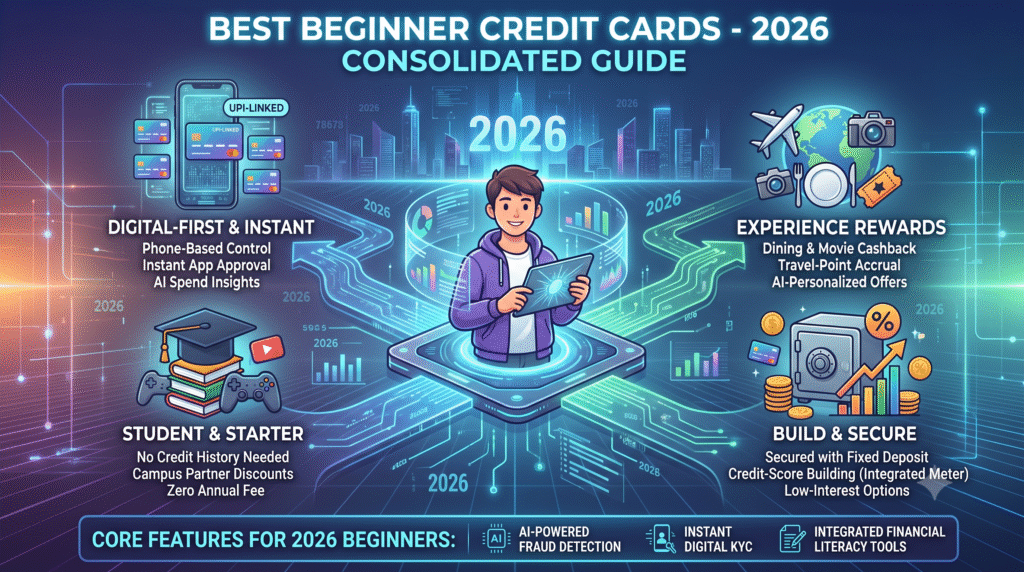
A beginner credit card may be a good choice for:
- College students
- Recent graduates
- Young professionals
- First-time borrowers
- Individuals new to the U.S. credit system
- People rebuilding limited credit history
Regardless of your situation, responsible use is more important than the specific card you choose.
How to Choose the Best Credit Card for Beginners
Selecting your first card involves more than comparing rewards.
Understand Your Spending
Review your monthly expenses before applying.
If most of your spending is on groceries or fuel, a card offering rewards in those categories may provide greater value.
Avoid Unnecessary Fees
Look for cards with:
- No annual fee
- No hidden maintenance charges
- Transparent terms
- Straightforward rewards
Lower costs make it easier to maximize the benefits of your card.
Consider Customer Support
Reliable customer service becomes especially valuable if you lose your card, notice fraudulent transactions, or need assistance with payments.
Reading customer reviews can provide insight into service quality.
Check Security Features
Strong security features may include:
- Two-factor authentication
- Virtual card numbers
- Instant purchase notifications
- Zero-liability fraud protection
- Card freeze functionality
These features help protect your account.
Responsible Credit Card Habits
Getting approved is only the beginning. Long-term success depends on how you use your card.
Pay On Time
Payment history is one of the most important factors affecting your credit profile.
Setting up automatic payments helps reduce the risk of missed due dates.
Keep Your Credit Utilization Low
Avoid using most of your available credit limit.
For example, if your credit limit is $1,000, keeping your balance well below the limit demonstrates responsible credit use.
Review Statements Every Month
Checking your statements regularly helps identify:
- Billing errors
- Unauthorized purchases
- Subscription charges
- Spending patterns
Monitoring your account improves financial awareness.
Avoid Cash Advances
Cash advances often come with higher fees and begin accruing interest immediately.
Whenever possible, avoid using your credit card for cash withdrawals.
Common Mistakes First-Time Cardholders Make
Understanding these common mistakes can help you avoid unnecessary debt and build a stronger financial foundation.
Applying for Multiple Cards at Once
Submitting several applications in a short period may reduce your approval chances and temporarily affect your credit profile.
Paying Only the Minimum Amount
Making only the minimum payment increases the amount of interest you may pay over time.
Paying the full statement balance each month is the most cost-effective approach.
Missing Payment Deadlines
Late payments may result in fees and can negatively affect your credit history.
Automatic payments or calendar reminders can help you stay on track.
Ignoring Your Budget
A credit card should support your budget—not replace it.
Spend only what you can comfortably repay.
Beginner Credit Cards vs Secured Credit Cards
| Feature | Beginner Credit Card | Secured Credit Card |
|---|---|---|
| Security Deposit | Usually No | Usually Required |
| Approval | Easier | Often Easier |
| Credit Building | Yes | Yes |
| Annual Fee | Often None | Varies |
| Best For | New borrowers | Limited or no credit history |
Both options can help build credit when used responsibly.
Expert Tips for First-Time Credit Card Users
After reviewing beginner credit card features and common lending practices, several strategies consistently stand out:
- Choose a card that matches your spending habits rather than chasing the largest rewards.
- Always pay your statement balance in full when possible.
- Enable payment reminders or automatic payments.
- Keep older accounts open if they have no annual fee, as a longer credit history can be beneficial.
- Review your credit report periodically to ensure your information is accurate.
These habits often have a greater long-term impact than selecting a card with slightly better rewards.
Is a Beginner Credit Card Worth It?
For most first-time borrowers, the answer is yes.
A beginner credit card provides an opportunity to establish credit history, learn responsible borrowing habits, and access useful financial tools. While rewards and introductory offers are attractive, the greatest value comes from using the card consistently and paying on time.
Choosing a card with transparent terms, reasonable fees, and features that fit your lifestyle can set you on a path toward stronger financial health.
Learn More About Credit Cards
Understanding how credit cards work can help you make informed financial decisions. For additional information, consult these trusted resources:
- Consumer Financial Protection Bureau (CFPB): https://www.consumerfinance.gov/consumer-tools/credit-cards/
- Wikipedia – Credit Card: https://en.wikipedia.org/wiki/Credit_card
These resources provide reliable information about credit card features, consumer rights, and responsible credit use.
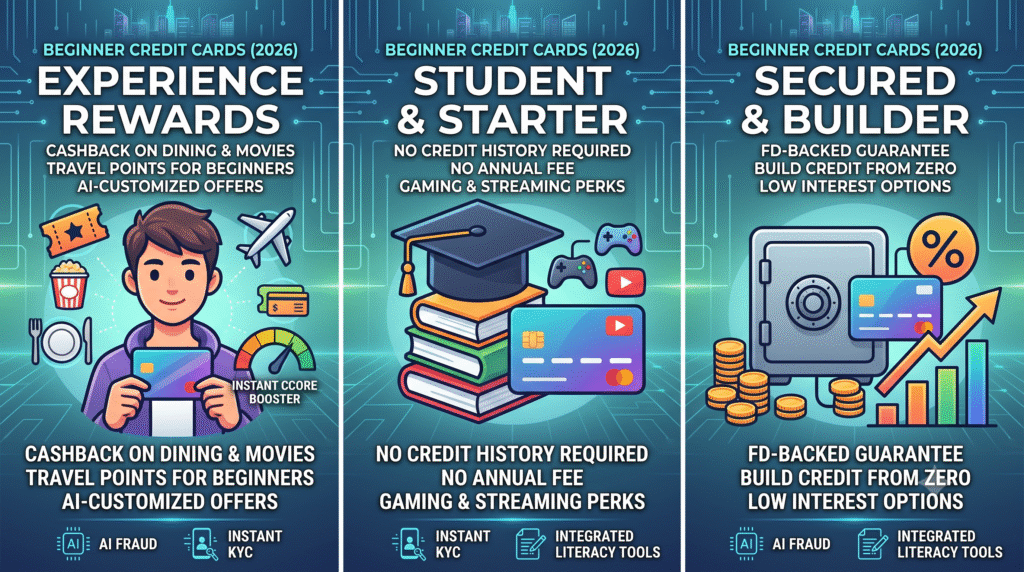
Frequently Asked Questions (FAQ)
What is the best credit card for beginners?
Short answer: The best beginner credit card is one with easy approval requirements, no annual fee, and tools that help you build credit responsibly.
Can I get a credit card with no credit history?
Short answer: Yes.
Many banks offer beginner and secured credit cards specifically for people with little or no credit history.
Do beginner credit cards have annual fees?
Short answer: Many do not.
Several beginner-friendly cards are available with no annual fee, making them a cost-effective option.
How can a beginner credit card help build credit?
Short answer: By making on-time payments and using the card responsibly.
Positive payment history and responsible credit use contribute to a stronger credit profile over time.
Should I pay my credit card bill in full?
Short answer: Yes.
Paying the full statement balance each month helps you avoid interest charges and demonstrates responsible financial management.
What is a secured credit card?
Short answer: A secured credit card requires a refundable security deposit.
It is often designed for individuals with little or no credit history and can help build credit when used responsibly.
How many credit cards should a beginner have?
Short answer: One is usually enough.
Starting with a single card allows you to build good habits before considering additional credit accounts.
How often should I check my credit report?
Short answer: At least once a year.
Regularly reviewing your credit report helps identify errors and monitor your financial progress.