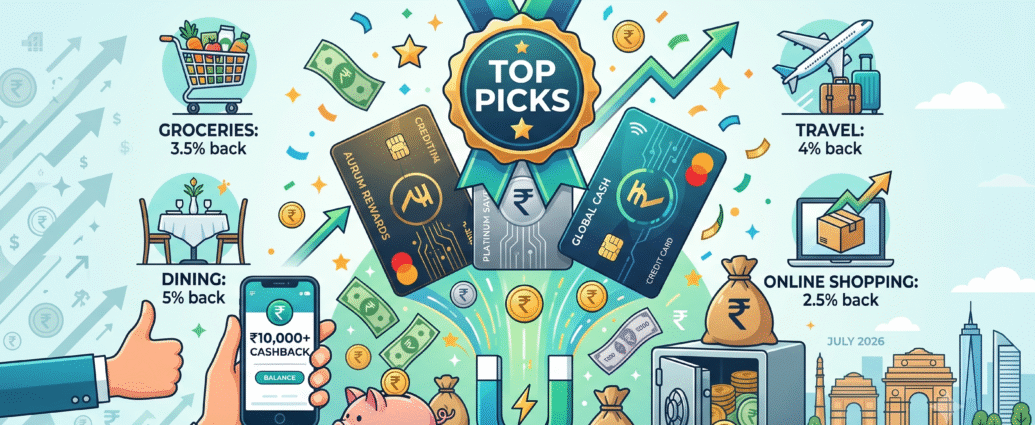
Cashback credit cards have become one of the most popular financial tools for consumers who want to earn rewards on their everyday spending. Whether you’re buying groceries, paying utility bills, shopping online, or filling up your gas tank, the right cashback credit card can help you earn money back on purchases you would make anyway.
Unlike travel rewards or airline miles that may come with blackout dates or redemption restrictions, cashback rewards are simple, flexible, and easy to understand. Depending on the card, you can receive rewards as statement credits, direct deposits, gift cards, or even checks.
However, not every cashback card offers the same value. Some cards reward specific spending categories such as groceries or dining, while others provide a flat cashback rate on every purchase. Understanding these differences is essential to selecting the best card for your financial habits.
This guide explains how cashback credit cards work, the features to compare, their advantages and disadvantages, and practical tips to maximize your rewards while avoiding unnecessary interest and fees.
What Is a Cashback Credit Card?
A cashback credit card rewards cardholders by returning a percentage of eligible purchases as cash rewards. Instead of accumulating travel points or miles, you receive actual monetary value that can be redeemed in several ways.
For example, if your card offers 2% cashback and you spend $1,000 during the month on eligible purchases, you’ll earn $20 in cashback rewards.
The biggest advantage of cashback cards is their simplicity. There is no complicated points conversion or reward chart to understand. Your rewards directly reflect your spending.
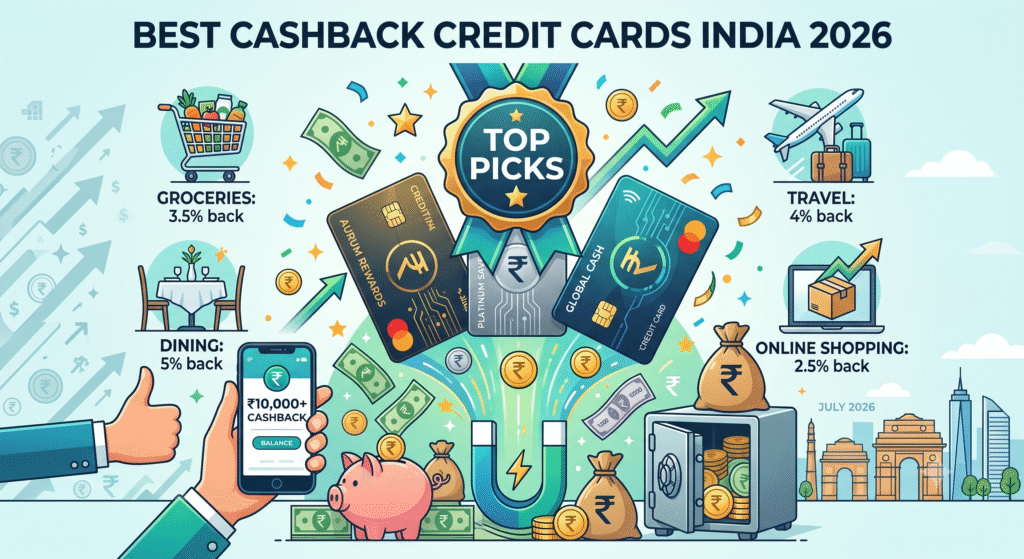
How Cashback Credit Cards Work
Every time you use your credit card for eligible purchases, the card issuer calculates rewards based on the cashback rate.
Common reward structures include:
Flat-Rate Cashback
These cards offer the same cashback percentage on every purchase regardless of spending category.
Example:
- 2% on all purchases
- 1.5% on every transaction
Flat-rate cards are ideal for people who want simple, predictable rewards.
Tiered Cashback
Some cards provide different cashback rates depending on the purchase category.
Example:
- 5% on groceries
- 3% on dining
- 2% on gas
- 1% on all other purchases
These cards reward spending in specific categories.
Rotating Category Cashback
Certain cashback cards change their bonus categories every quarter.
Examples include:
- Restaurants
- Grocery stores
- Online shopping
- Gas stations
- Home improvement stores
These cards often require activation each quarter to receive the highest reward rate.
Why Cashback Credit Cards Are Popular
Cashback cards appeal to a wide range of consumers because the rewards are practical and easy to use.
Major benefits include:
- Earn rewards on everyday purchases
- Flexible redemption options
- No travel restrictions
- Simple reward calculations
- Suitable for beginners
- Available with no annual fee options
For many households, cashback rewards can offset annual expenses simply by using the card responsibly.
Features to Compare Before Choosing the Best Cashback Credit Cards
Selecting the right cashback credit card involves more than comparing reward percentages.
Cashback Rate
Higher cashback rates generally provide better value, but they often apply only to specific spending categories.
Compare:
- Flat cashback
- Bonus category cashback
- Introductory promotional rates
Choose a card that matches your spending habits rather than simply selecting the highest advertised percentage.
Annual Fees
Some premium cashback cards charge annual fees while offering higher rewards and additional benefits.
Ask yourself:
- Will the cashback earned exceed the annual fee?
- Are the additional benefits valuable to you?
Many excellent cashback cards charge no annual fee, making them attractive for everyday users.
Welcome Bonuses
Many issuers offer introductory bonuses after meeting a minimum spending requirement within the first few months.
Example offers may include:
- Cash bonus after spending a specified amount
- Increased cashback during the introductory period
Welcome bonuses can significantly increase first-year value.
Redemption Flexibility
The best cashback cards allow multiple redemption methods.
Popular redemption options include:
- Statement credits
- Bank deposits
- Gift cards
- Online shopping credits
- Paper checks
Flexible redemption makes cashback rewards more useful.
Interest Rates (APR)
Although cashback rewards are attractive, they quickly lose value if you carry a balance and pay high interest charges.
Paying your balance in full every month allows you to keep all the cashback you’ve earned.
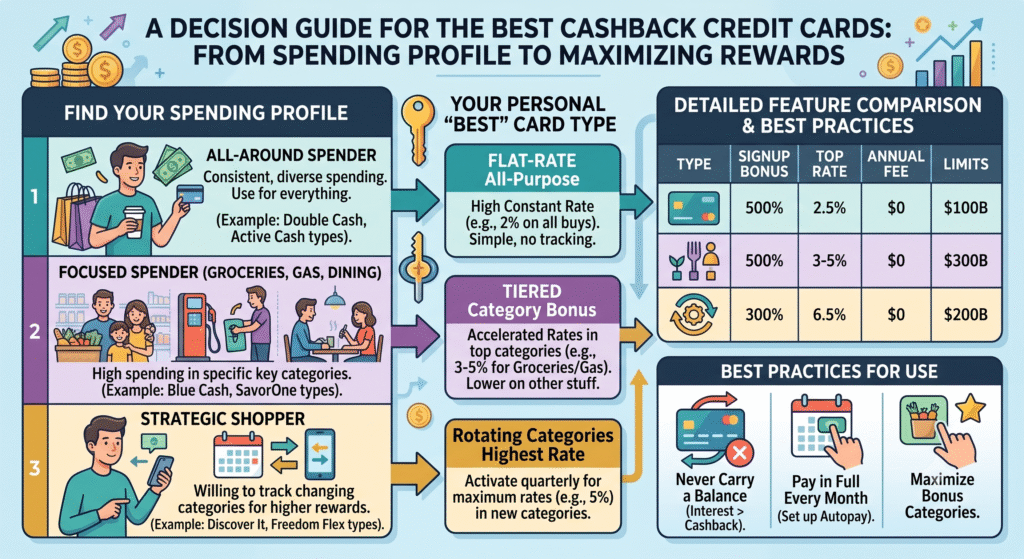
Best Spending Categories for Cashback
Different cards reward different types of purchases.
Common high-reward categories include:
Grocery Stores
Many families spend a significant portion of their monthly budget on groceries, making this one of the most valuable cashback categories.
Dining
Restaurants, cafés, and food delivery services frequently qualify for elevated cashback rates.
Fuel Stations
Drivers can save substantially through gas station cashback rewards.
Online Shopping
E-commerce purchases often qualify for promotional cashback.
Travel
Some cashback cards also reward hotels, flights, and transportation expenses.
Who Should Choose a Cashback Credit Card?
Cashback credit cards work best for consumers who:
- Pay balances in full each month
- Spend regularly on everyday purchases
- Prefer simple rewards
- Don’t travel frequently
- Want flexible redemption options
Responsible credit card users generally receive the greatest long-term value.
Advantages of Cashback Credit Cards
Cashback credit cards offer numerous financial benefits.
Straightforward Rewards
There are no complicated reward systems to understand.
Flexible Use
Redeem cashback in ways that best fit your financial goals.
Everyday Savings
Routine expenses generate rewards without changing your spending habits.
Budget-Friendly
Many cashback cards have no annual fee.
Credit Building
Responsible use helps establish and improve your credit history.
Potential Drawbacks
Cashback cards are beneficial, but they aren’t perfect.
High Interest Rates
Carrying a balance can cost more than the cashback earned.
Spending Temptation
Some users overspend simply to earn rewards.
Category Restrictions
Higher cashback percentages often apply only to selected purchases.
Redemption Minimums
Some issuers require minimum reward balances before redemption.
Understanding these limitations helps prevent costly mistakes.
Tips to Maximize Cashback Rewards
Use the Right Card for Each Purchase
If you own multiple cashback cards, use the one offering the highest reward for each spending category.
Pay the Full Balance Every Month
Avoiding interest charges ensures your cashback remains a genuine financial benefit.
Activate Bonus Categories
If your card requires quarterly activation, remember to enroll before making purchases.
Monitor Promotional Offers
Banks frequently introduce limited-time cashback promotions.
Review Your Spending Habits Annually
Your spending patterns may change over time. Reassess whether your current cashback card still offers the best value.
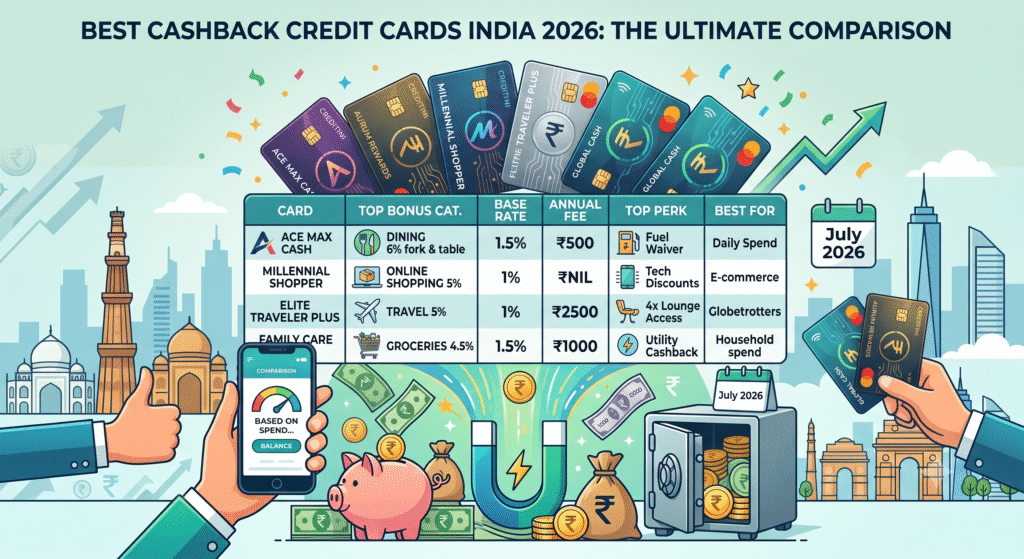
Cashback vs Travel Rewards
Choosing between cashback and travel rewards depends on your lifestyle.
| Cashback Cards | Travel Rewards Cards |
|---|---|
| Easy to understand | Better for frequent travelers |
| Flexible redemption | Airline and hotel rewards |
| Suitable for daily expenses | May require strategic redemption |
| Simple value calculation | Rewards may fluctuate |
If you rarely travel, cashback cards generally provide greater overall value.
Common Mistakes to Avoid
Many cardholders reduce the value of cashback rewards by making avoidable errors.
Carrying a Balance
Interest charges can exceed cashback earnings.
Missing Payment Deadlines
Late fees and penalty interest rates reduce financial benefits.
Ignoring Reward Categories
Using the wrong card may significantly reduce cashback earnings.
Overspending
Purchasing unnecessary items solely for rewards defeats the purpose of cashback.
Responsible spending always produces better long-term financial results.
Expert Advice for Choosing the Best Cashback Credit Cards
Before applying for any credit card, evaluate your monthly expenses.
If most of your budget goes toward groceries and dining, select a card that rewards those categories. If your spending is spread evenly across different purchases, a flat-rate cashback card may provide better overall value.
Also, compare annual fees, introductory bonuses, redemption flexibility, customer service quality, and mobile banking features—not just cashback percentages. The best credit card is the one that complements your financial habits rather than encouraging unnecessary spending.
Finally, remember that cashback is only valuable when you manage your credit responsibly. Paying your balance in full each month, monitoring your spending, and avoiding unnecessary debt will allow you to enjoy the full benefits of your rewards.
For additional information about credit cards and responsible borrowing, visit the official Consumer Financial Protection Bureau website and read more about credit cards on Wikipedia:
Frequently Asked Questions (FAQ)
What is a cashback credit card?
Short answer: A credit card that returns a percentage of eligible purchases as cash rewards.
Cashback credit cards allow cardholders to earn money back on qualifying purchases, which can usually be redeemed as statement credits, bank deposits, gift cards, or checks.
Are cashback credit cards worth it?
Short answer: Yes, if you pay your balance in full each month.
Responsible users can earn valuable rewards on everyday purchases without paying interest.
Do cashback rewards expire?
Short answer: It depends on the card issuer.
Some cashback rewards never expire, while others may expire after a certain period or if the account is closed.
Can I earn cashback on every purchase?
Short answer: Usually yes, but reward rates vary.
Most cashback cards provide rewards on eligible purchases, though bonus percentages may only apply to specific categories.
Will a cashback credit card improve my credit score?
Short answer: It can, with responsible use.
Making on-time payments, keeping credit utilization low, and paying balances in full can help build a positive credit history over time.
Final Thoughts
The best cashback credit cards can provide meaningful savings on everyday spending while offering flexibility and simplicity that many consumers appreciate. Whether you prefer a flat-rate rewards card or one that offers higher cashback in specific categories, choosing a card that aligns with your spending habits is the key to maximizing value.
Before applying, compare reward rates, annual fees, redemption options, and interest charges. Most importantly, use your credit card responsibly by paying your balance in full each month. With smart financial habits, a cashback credit card can become a valuable tool for both saving money and building a strong credit profile.